Muscle Building for Busy Professionals: A Practical Guide in Tokyo
Want to build muscle in Tokyo despite a busy schedule? This guide covers strength training, gym structure, and nutrition for sustainable muscle growth

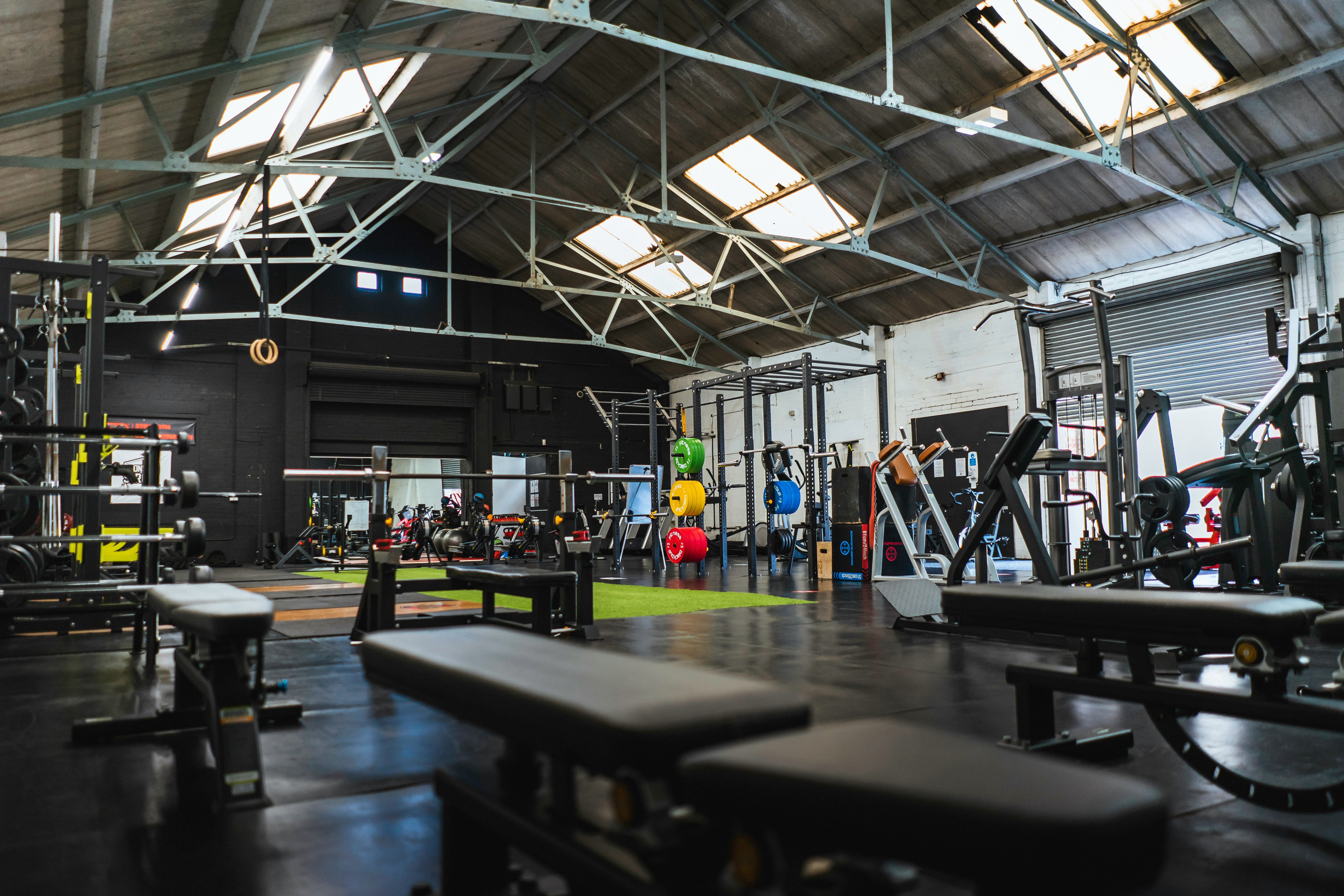
Building muscle while managing a demanding career in Tokyo can feel overwhelming. Long office hours, commuting, and social commitments often make consistent training difficult.
However, effective muscle building in Tokyo doesn’t require spending hours in the gym. It requires structure, progressive overload, and smart nutrition planning.
Here’s how busy professionals can build lean muscle efficiently.
1. Prioritize Compound Movements
If time is limited, focus on exercises that deliver maximum return.
Compound lifts stimulate multiple muscle groups at once:
Squats
Deadlifts
Bench press
Pull-ups
Overhead press
These movements create the greatest muscle-building stimulus while improving strength and coordination.
A 45–60 minute session built around 4–5 compound exercises is more effective than long, unfocused workouts.
2. Train 3–4 Times Per Week
Consistency beats frequency.
For most professionals, 3–4 structured strength sessions per week is ideal. This allows:
Adequate recovery
Progressive overload
Sustainable scheduling
Sample weekly split:
Day 1: Upper Body
Day 2: Lower Body
Day 3: Rest or Active Recovery
Day 4: Full Body Strength
Progressively increase weights or repetitions each week to stimulate muscle growth.
3. Eat for Muscle Growth
Training alone does not build muscle — nutrition drives recovery and growth.
Key guidelines:
Eat in a slight calorie surplus
Consume 1.6–2.2g protein per kg bodyweight
Include carbohydrates for training performance
Stay hydrated
Tokyo offers many healthy food options, but portion awareness is essential. Planning weekday meals helps maintain consistency.
4. Optimize Recovery
Muscle growth happens during recovery — not during workouts.
To maximize results:
Sleep 7–8 hours per night
Reduce excessive cardio
Manage work stress
Schedule rest days strategically
Overtraining without recovery limits progress.
5. Track Progress Properly
Many people rely only on the scale. For muscle building, better metrics include:
Strength improvements
Progress photos
Body measurements
Gym performance tracking
If lifts are increasing and recovery feels good, muscle development is likely occurring.
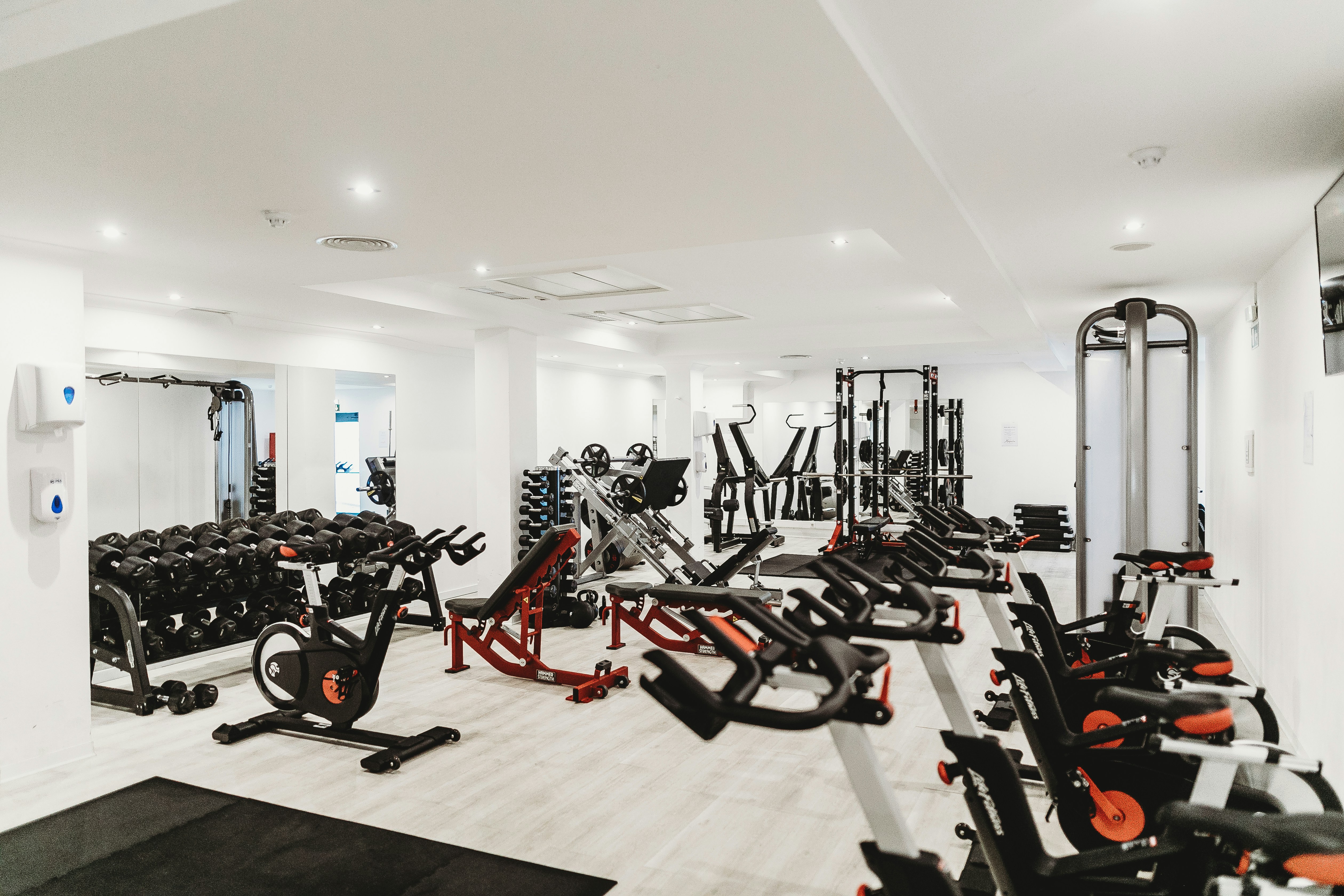
6. Choose the Right Training Environment
Finding the right gym environment in Tokyo can make a major difference.
Look for:
Quality free weight areas
Proper squat racks
Progressive training culture
Professional coaching support
A well-equipped gym improves long-term muscle-building consistency.
Final Thoughts
Muscle building in Tokyo is completely achievable — even with a busy professional lifestyle.
Focus on:
Compound strength training
Structured weekly sessions
Sufficient protein intake
Quality sleep and recovery
Progressive overload
Muscle growth is not about perfection. It’s about consistent effort over time.
If you train smart, eat properly, and recover well, lean muscle gains will follow.