Body Recomposition for Busy Professionals in Tokyo: Build Muscle and Lose Fat
Want to build muscle and lose fat at the same time? This guide explains body recomposition strategies tailored for busy professionals in Tokyo.


Many professionals believe they must choose between losing fat or building muscle. In reality, with the right strategy, body recomposition in Tokyo is achievable — especially for beginners and intermediate lifters.
Body recomposition focuses on reducing body fat while increasing lean muscle mass. It requires precise training, structured nutrition, and consistent recovery.
Here’s how busy professionals can approach it effectively.
1. Prioritize Progressive Strength Training
Muscle growth is stimulated through progressive overload — gradually increasing resistance or training volume over time.
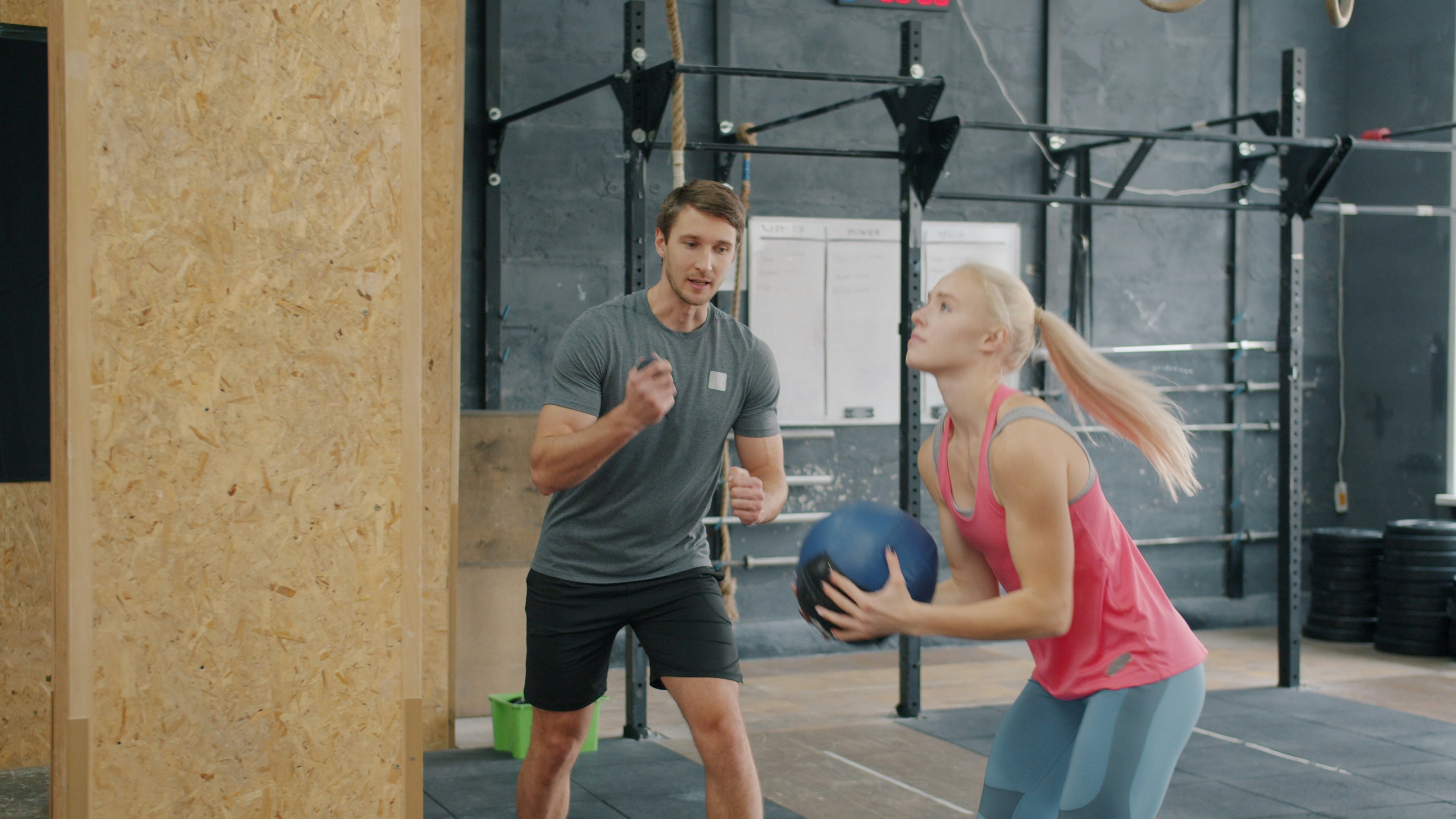
A recomposition-focused routine should include:
Compound movements (squats, presses, rows)
Moderate rep ranges (6–12 reps)
3–4 weekly sessions
Consistent performance tracking
Strength improvements signal muscle development, even if the scale doesn’t change dramatically.
2. Eat at Maintenance or Slight Deficit
Unlike aggressive fat loss phases, body recomposition typically requires:
Maintenance calories or small deficit
High protein intake (1.6–2.2g per kg bodyweight)
Balanced carbohydrate intake for performance
Controlled fat intake
For professionals in Tokyo with busy schedules, simple meal rotation and partial meal prep can maintain consistency.
3. Increase Protein Distribution
Protein timing matters.
Instead of consuming most protein at dinner, distribute intake evenly:
Breakfast: 25–30g
Lunch: 25–40g
Dinner: 30–40g
Optional snack: 15–25g
This supports muscle protein synthesis throughout the day.
4. Control Cardio Volume
Excessive cardio can interfere with muscle growth.
Instead:
Limit cardio to 2–3 moderate sessions weekly
Focus on step count (8,000–10,000 daily)
Avoid long-duration endurance sessions
Strength training should remain the priority.
5. Track the Right Metrics
Body recomposition progress isn’t always visible on the scale.
Better tracking methods include:
Strength progression
Body measurements
Progress photos
How clothes fit
If strength increases and body fat gradually decreases, recomposition is working.
6. Optimize Recovery
Busy professionals often underestimate recovery.
Support progress by:
Sleeping 7–8 hours
Managing work stress
Scheduling rest days
Staying hydrated
Recovery allows muscle repair and fat metabolism to function optimally.
7. Stay Patient and Consistent
Body recomposition is slower than traditional bulking or cutting phases. However, it produces sustainable, aesthetic results without extreme dieting.
For professionals in Tokyo balancing work and social life, this moderate approach is often more realistic.